

Poverty rates are trending down in Maricopa as they rise in other metro Phoenix cities like Mesa, Goodyear and Surprise, according to new U.S. Census Bureau numbers.
Data from the bureau’s 2023 American Community Survey 1-Year Estimates shows since 2022 the poverty rate in Maricopa decreased by 1% from 9.5% to 8.5% — some 4 points lower than the state average, 12.4%.
The survey also breaks down the poverty rate by age and shows 9% of people experiencing poverty in Maricopa are children and 14% are seniors over 65.
Breaking down the numbers
The census determined poverty status by comparing annual income to a set of dollar values — called poverty thresholds — which varies based on family size and the age of the householder. If the family’s pretax income is less than the dollar value of their threshold, then every person in the family is impoverished.
The poverty thresholds are updated annually to account for changes in the cost of living using the Consumer Price Index for Urban Consumers and do not vary geographically.
The American Community Survey, where the data is pulled from, is continuous and receives responses throughout the year.
Due to the survey being continuous but income being reported for the previous 12 months, the appropriate poverty threshold for each family is determined by multiplying the base-year poverty threshold from 1982 by the average of monthly CPI-U values for the 12 months before the survey.
As poverty rates in Maricopa softened, they trended upward that year in Mesa (up 1.6% to 11.1%), Goodyear (up 2.8% to 7.4%), Flagstaff (up 3.5% to 19.9%), Surprise (up 5.4% to 10.7%) and Yuma (up 6.5% to 16.3%).
City leader weighs in
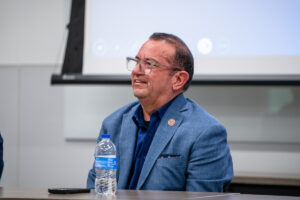
“I think that’s exciting,” said Maricopa Chief Economic Development Officer Christian Price of the local trend. “I mean, it’s always a good thing when more people have opportunities to work and sustain themselves.”
Price said there are many contributing factors to the decrease in poverty within the city, namely development.
“You are seeing more and more economic development here in the city,” Price said, “whether it’s retail, commercial and what we hope to soon be industrial, even though it’s not here yet. But this is the nature of a growing city, right? You’re able to provide more jobs for those that live there, that’s a benefit.”
Price added he thinks the reduction in poverty rates shows a benefit to the city council’s pro-growth philosophy.
Part of that growth is the housing bump Maricopa has seen, something Price noted could also contribute to financial health for residents.
“We know that retail follows rooftops, right?” Price said. “So, when you have those roofs, when have that population, when you have that expendable income, then, yes, that creates more desirability for a given area, for other businesses to locate there and therefore has to provide opportunities for people to be employed.”
In the future, Price said he would like to see the poverty rate within Maricopa drop to zero.
“I’d love to see everybody have an opportunity to be successful and have their needs provided for,” Price said. “I don’t want to see anybody in poverty, if possible.”