
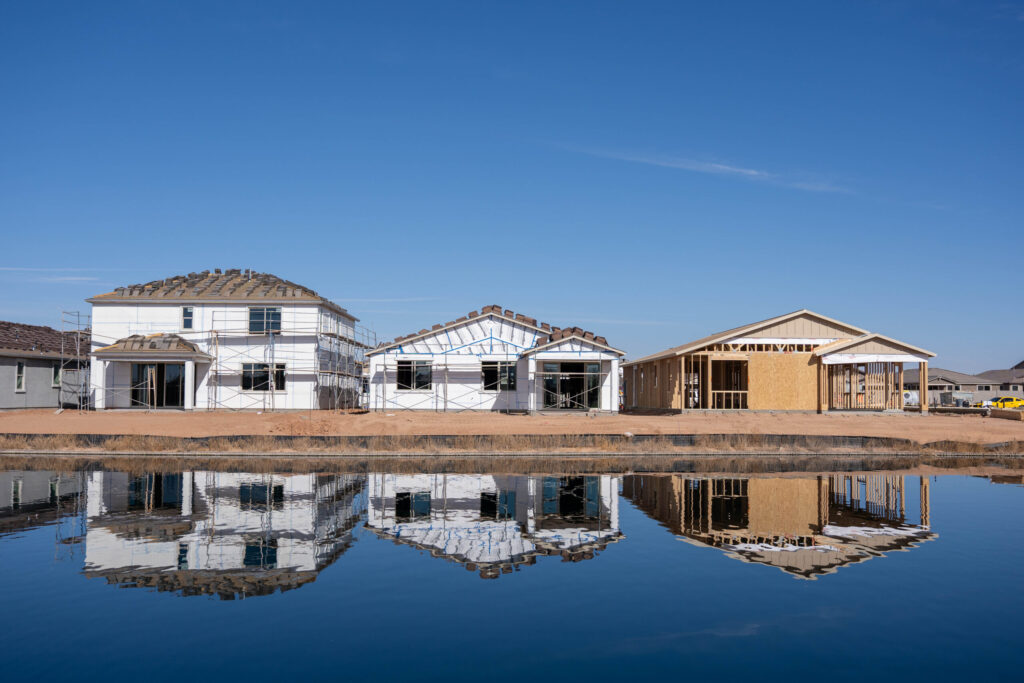
Despite a colossal rise in home prices, Maricopa is still a candidate for the most affordable Phoenix suburb, experts say.
The price of a single-family home in the city has risen 58% in the last five years from $231,396 to $365,605. The Maricopa Housing Needs Assessment, conducted in January, called it a “historic rise” in real estate prices.
The increase is part of a nationwide trend and Maricopa remains one of the most affordable cities in the greater Phoenix area, ranking third from last for the most expensive real estate by square footage among metro cities, according to The Cromford Report’s April 14 rankings. Only Arizona City and Coolidge weren’t pricier.
Brian Petersheim, a Maricopa real estate agent, said he thinks the city continues to be affordable because of its location and inventory.
“There’s no huge businesses out there — there’s nothing really commercial, it’s a bedroom community,” Petersheim said. “I think it’s absolutely coming along.”
City Manager Ben Bitter said Maricopa has built a reputation as the metro’s economical housing solution.
“We welcome anyone and everyone to come, set their roots and add to the fabric of our community,” he said.
Bitter added the city imposes development impact fees, which are assessed when a developer builds a new home or community. The fees go back into the community, paying for library services, roads and public safety.
The city has begun collecting higher impact fees as home prices have rapidly increased since the pandemic, Bitter said.
“It really is a great way for us to keep our minds constantly focused on the future and preparing for what may come,” he said.
According to this year’s housing needs assessment, there is an abundance of available residential land to be developed to accommodate future growth.
“Chandler’s not getting any bigger, Gilbert’s not getting any bigger. You know, it’s the guys on the outskirts that can grow,” Petersheim said.
The assessment suggests prioritizing multifamily housing for workforce-wage households such as first responders, teachers, nurses and other critical service providers in Maricopa.
Danny Court, a senior economist who worked on the assessment, noted there are several apartment communities being developed in Maricopa that are targeted to lower-income families and seniors.
“It’s really encouraging to see. Maricopa is on the right track,” Court said. “Our recommendations to the city were just to keep that ball rolling. We’d love to see more housing diversity in Maricopa.”