

Both sides in a lawsuit against Pinal County over a tax to improve roads are now waiting for a judge to decide whether that tax can continue to be collected during appeals.
The Goldwater Institute’s suit against the county and the Arizona Department of Revenue remains alive after a Maricopa County Tax Court ruled against the county in the case, Harold Vangilder et al. v. Arizona Department of Revenue et al., earlier this year. The defendants are preparing to file an appeal in the Arizona Court of Appeals Division 1.
The tax-court judgment was officially filed Nov. 15.
“It’s unfortunate the county is going to waste taxpayers’ money appealing this case when they’ve already wasted taxpayer money on the issue they were warned was illegal before the election,” Goldwater attorney Timothy Sandefur said.
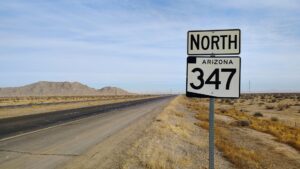
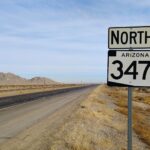
At the center of the argument is Prop 417, approved by county voters in 2017. It is the funding mechanism for Prop 416, which is a plan to improve several roadways in Pinal County, including State Route 347. The Goldwater Institute, a conservative thinktank that litigates public-policy issues across the country, spoke out against Prop 417 during the campaign.
Joseph Kanefield, attorney for Pinal County, asked Maricopa County Superior Court Judge Christopher Whitten to stay the enforcement of the tax-court ruling and allow the collected monies to continue to be put into escrow until the case is finally resolved.
Whitten took up the motion Monday.
“He’s a judge who takes his time to weigh all the consequences of his decision,” Sandefur said.
Sandefur’s stand is that Pinal County opted to ignore the appropriate method of collecting sales tax for a funding project and instead devised a “scheme” that would exclude big-ticket businesses like auto dealerships, farming equipment dealers and others selling items that would generate more than $10,000 in sales tax. Kanefield argued the proposition as voted on by the public was not in the form as presented to the tax court by the plaintiffs.
“We believe the tax court erred in his ruling in terms of what was presented to the voters versus the resolution originally proposed by the Pinal Regional Transportation Authority,” Kanefield said. “Ultimately, the way the tax was structured was within the scope of the state statute that allows the RTA to propose a tax at a variable or modified rate, which is exactly what they did.”
Kanefield said if Judge Whitten rules against his motion to stay the enforcement of the tax-court ruling, he will include that issue with his appeal to the higher court.
Collection of the tax has never been suspended.
“A general principal of tax law is you don’t enjoin or stop the collection of a tax that’s being challenged in court,” Kanefield said, “because the ramifications of that are pretty severe.”
Meanwhile, Sandefur has an appeal of his own after the court denied his motion to collect $12,000 in attorney’s fees from the defendants in the case.
Pinal County has until mid-December to file its intention to appeal. Kanefield said he may ask the appeals court for an expedited process. He estimated the briefings could be completed by spring, “unless we can get the court to act quicker.”